
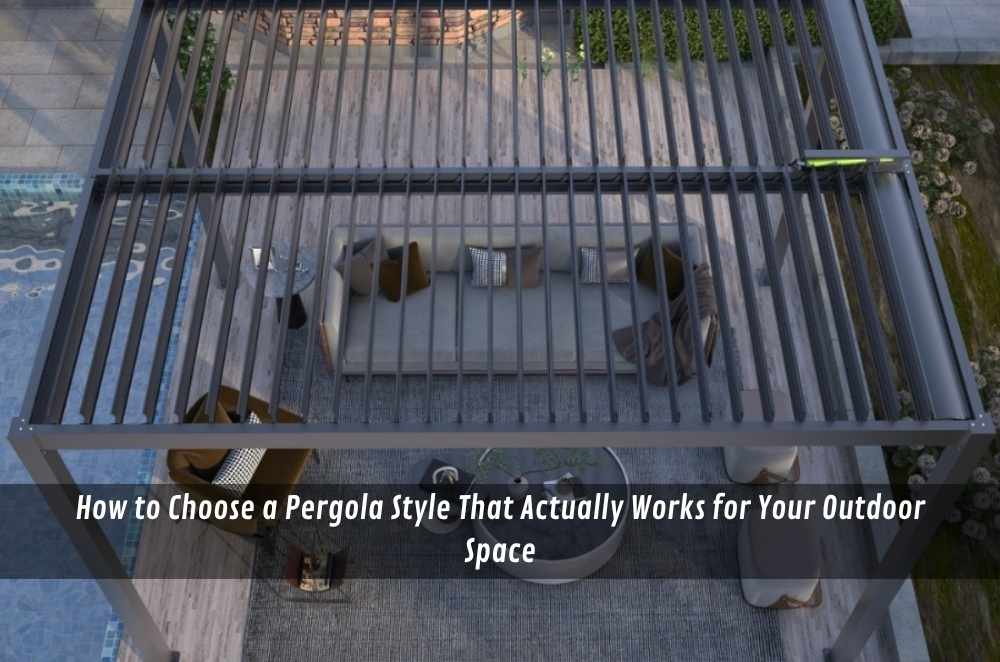
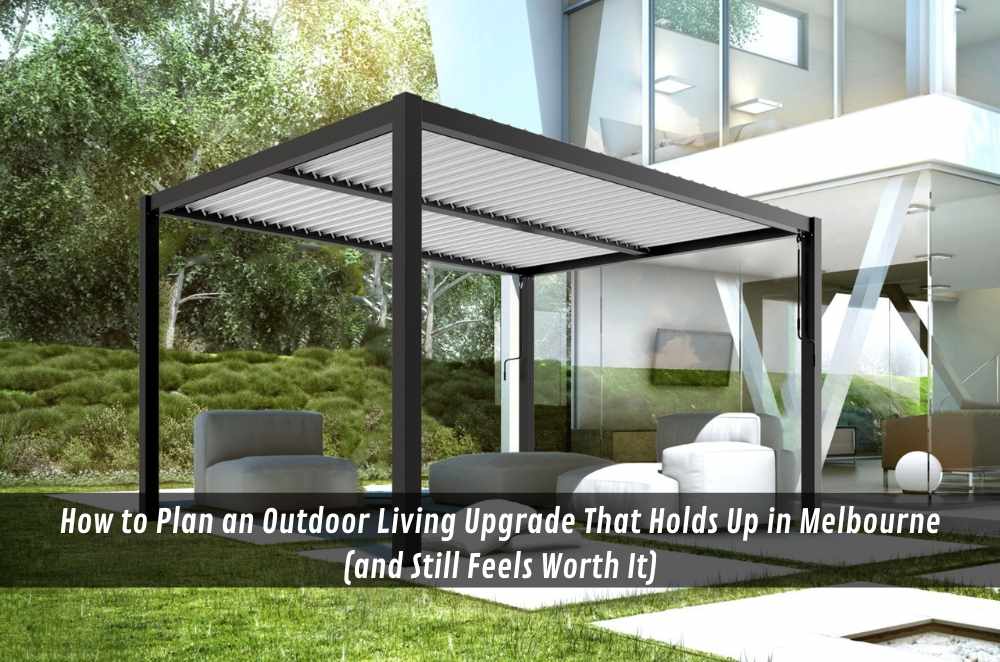
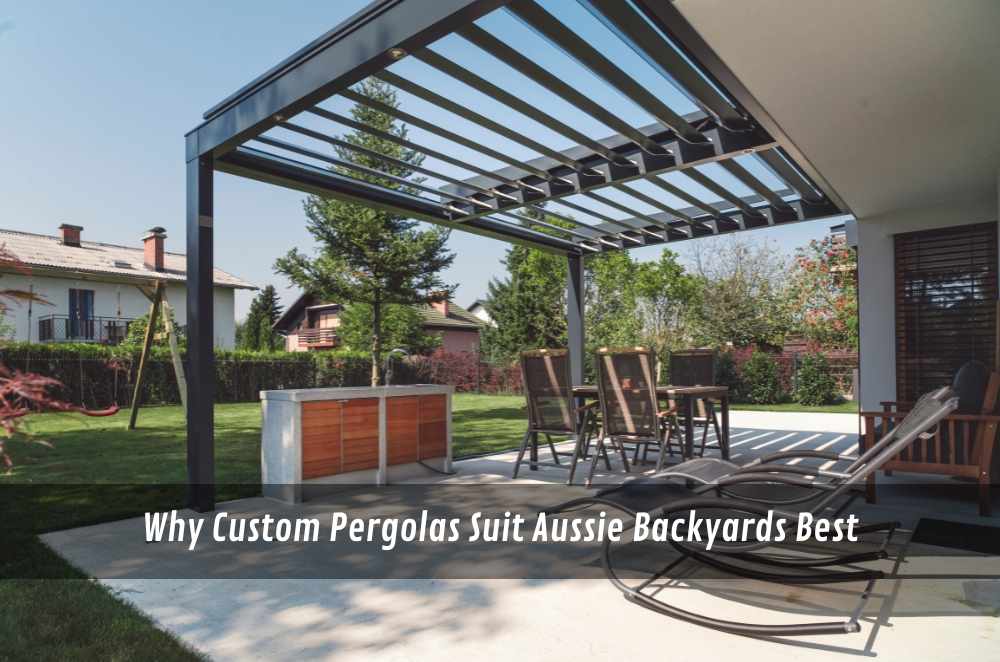
Australians have always had a soft spot for spending time outside, but in recent years, backyards have shifted from being just a barbecue corner to becoming true extensions of the home. Families now want outdoor spaces that are as comfortable and versatile as their living rooms — places that work for a quiet morning coffee, a midweek dinner, or a big weekend gathering. At the centre of this shift is the pergola. A well-designed structure creates shade, channels breezes and sets the stage for everything else, from lighting to planting. Choosing a premium outdoor living pergola feels less like an upgrade and more like a practical foundation — it’s the piece that turns a patch of lawn or paving into a space you’ll actually use all year. Once that anchor is in place, the rest of the design flows far more naturally.
Comfort-first design that actually gets used
Build for everyday habits, then layer detail. Start with orientation (taming the western sun, borrowing winter light), then set the roof height for airflow and headroom. Keep passes wide enough for trays and school bags. If the site is windy, screen the prevailing side and leave the opposite end open to vent warm air. Small courtyards benefit from wall-mounted spans; larger blocks can support a freestanding “room in the garden”.
Prioritise adjustable shade so you can tune glare, wind and rain without packing up.
Plan two lighting modes: task for benches and tables, ambient for faces and pathways.
Use light-toned hard surfaces and plant shade to keep the slab cool underfoot.
Route power early for fans, heaters and future add-ons so cables never show.
A quick personal note: I once tried to “design around” late-afternoon heat with umbrellas and taller plants. It looked fine on paper, but failed in practice. A louvred roof with a single screen on the hot side did more for comfort than all the other tweaks combined, and the space finally worked on weeknights.
Climate-aware choices for shade, airflow and lighting
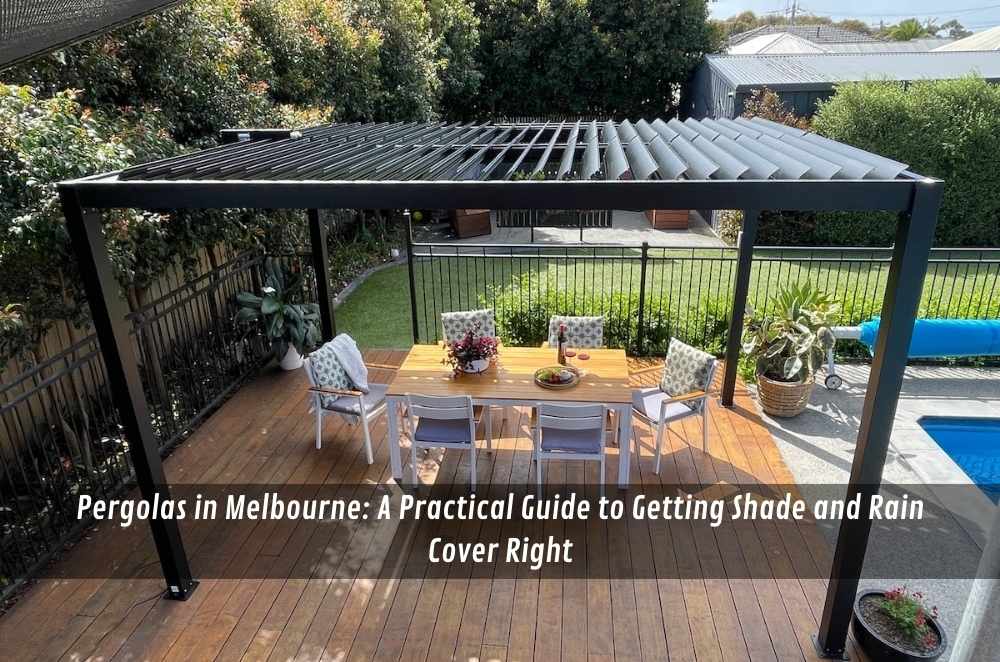
Outdoor living holds up when the basics are deliberate rather than decorative. Think microclimate layers: adjustable blades up top, breathable edges, and soft planting that makes the air feel cooler without blocking sightlines. Keep glare control gentle — bounce light off walls or undersides of beams instead of spotlighting people at the table. In smaller spaces, use narrow planters to soften boundaries without shrinking floor area, and consider a fan for still evenings rather than cranking radiant heat.
Set the pergola height to clear door heads and promote stratified airflow.
Combine fixed battens for texture with adjustable screens for winds from one direction.
Choose weather-rated fixtures and dimmers; put switches where you naturally reach.
Map step-safe routes from the kitchen to the table to the bin so the space stays practical.
For practical design thinking, the federal Energy site’s outdoor living guide offers a clear framework on how comfort, airflow and shading can be balanced without over-engineering a backyard.
Layouts that fit real backyards
Good plans respect how you move on a regular day. Compact terraces, for instance, work best with a narrow bench under the eaves, a small table that extends when needed, and a clear path to the door. Family blocks might split zones so noise and mess don’t stack up in one corner. Keep furniture light and leggy to preserve sightlines, and let planting do the privacy work at seated eye level so the space stays open when you stand.
Run a low “utilities lane” that hides bins, pool gear and potting tools.
Use step-downs (90–140mm) to separate dining from lounge without railings.
Give every chair a reachable surface for cups or plates; avoid big, single surfaces that kill flow.
Place taller pots at the west to filter glare and soften the wind.
I’ve tested this in a townhouse courtyard with barely enough width for a proper dining setting. Wall-mounting the span and trimming the table to a leaner oval kept circulation open. A fan under the beam line fixed the dead-air pocket that used to make dinner unbearable.

Materials and maintenance that stay tidy
Choose finishes that survive weather and handling with minimal fuss. Powder-coated aluminium is a strong all-rounder for frames; composite decking or porcelain pavers stay true underfoot and clean easily. Fabrics matter too — solution-dyed textiles keep their colour and wipe down fast. Where timber is non-negotiable, keep it to elements you can reach comfortably for occasional oiling, like a bench top or a single feature post.
Pair light paving with darker furniture for contrast that still runs cool.
Use marine-grade fixings; mixed metals can stain surrounding surfaces.
Specify IP-rated downlights and sealed outlets; water finds every shortcut.
Hide conduit within beams or posts so the structure reads clean.
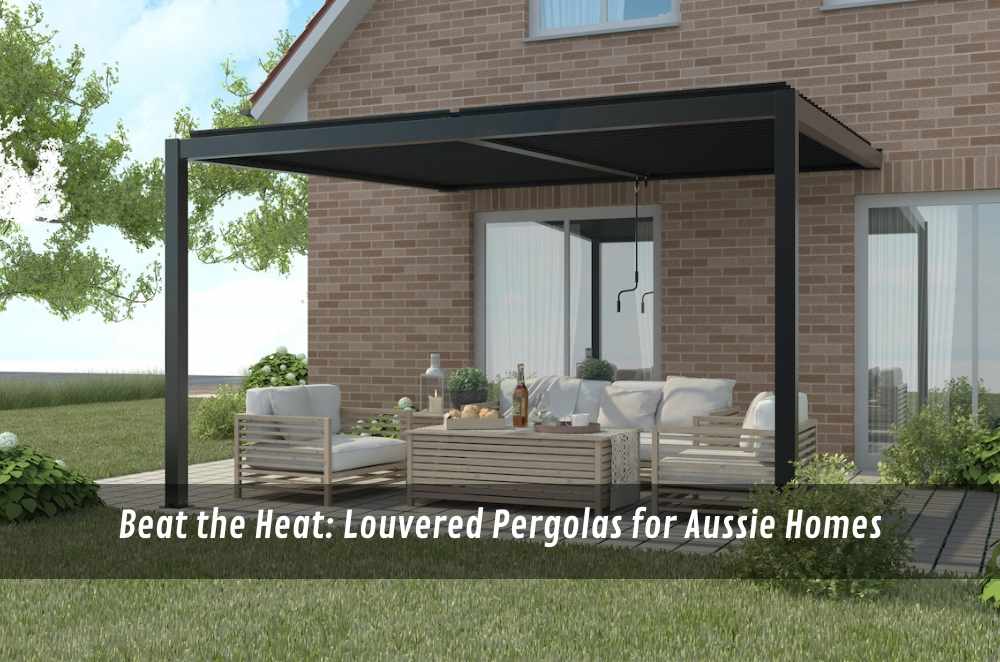
What I’ve seen time and again is that tailored structures work best in the long run. Every yard is different — size, orientation, wind paths — and that’s why custom pergolas in Australia often end up being the smarter choice. They’re not about being flashy, but about tuning the design so it feels like it belongs to the space rather than fighting against it.
Zoning, privacy and the sound of the space
The most comfortable outdoor rooms manage noise and sightlines without turning the yard into a bunker. Aim for dappled edges, not hard walls. A slim batten layer below the roof softens echo; a narrow water feature can mask street noise without shouting for attention. Keep planting layered: groundcovers to cool surfaces, mid-storey shrubs for seated privacy, a light vine canopy to filter overhead light. Lighting should flatter faces and help with navigation, not flood the yard.
Break long boundaries with vertical rhythm — battens, trellis, or alternating planters.
Bounce warm light off walls and undersides rather than pointing fittings at people.
Use one screen panel where wind actually hits; leave other sides open to vent.
Keep storage close to use points so the space resets quickly after guests leave.
One part that can’t be overlooked is compliance. Every council sets different expectations around height, setbacks and safety, which is why an understanding of pergola building rules is so important before starting work. Having those details clear early saves time and prevents unwanted surprises once construction begins. You can read about it here: https://uniquepergolas.com.au/product-category/motorised-pergola/
Final thoughts
Outdoor living endures when it’s designed for daily life, not occasions. A controllable roof, breathable edges and balanced lighting make the space useful under bright midday sun and on cool evenings. Build around the way you already live, add pieces that reduce friction, and let planting soften everything else. That approach scales — from a compact terrace to a broad lawn — and it keeps the backyard feeling like the easy, everyday room it should be.



Write a comment ...