
A pergola can turn an awkward outdoor patch into a space you actually use.
In Melbourne, the weather sets the rules.
You might get strong sun at lunch, a cool change by late arvo, and rain that blows sideways under the eaves. So the best pergola isn’t just the one that looks tidy in a brochure. It’s the one that suits your site, your daily habits, and how you want the area to feel.
This guide covers the choices that matter most: roof styles, materials, placement, drainage, and what to think about for both homes and commercial spaces around Melbourne.
What a pergola is (and what it isn’t)
A pergola is an outdoor structure that creates shade and defines a zone, either attached to a building or freestanding.
Some are open-beam and decorative.
Others are fully roofed for weather protection.
A pergola is not automatically waterproof. If you want to sit outside in heavy rain without getting splashed, you need a roof designed for runoff, proper fall (slope), gutters, and sensible edges. Otherwise, you’ll still end up shuffling chairs around.
Start with the outcome, not the design
Before you pick a style, decide what success looks like for you.
Do you want summer shade only, or an all-weather area?
Do you want it bright underneath, or cooler and more sheltered?
Is this for weekend BBQs, a clinic entry, a café courtyard, or a staff break space?
Will you be using it at night?
Those answers drive the roof type, lighting, and even where the posts should sit.
It’s also worth thinking about what you don’t want: glare in the afternoon, a wind tunnel, or water dripping right where people walk.
Roof types that suit Melbourne conditions
Roof choice is where most projects win or lose comfort.
Open pergola (no solid roof)
Best for: filtered shade, garden feel, climbing plants.
Pros: airy, visually light, often simpler.
Trade-offs: you won’t get real rain cover, and harsh midday sun can still punch through, depending on orientation.
If your goal is “outdoor room”, an open roof usually won’t get you there.
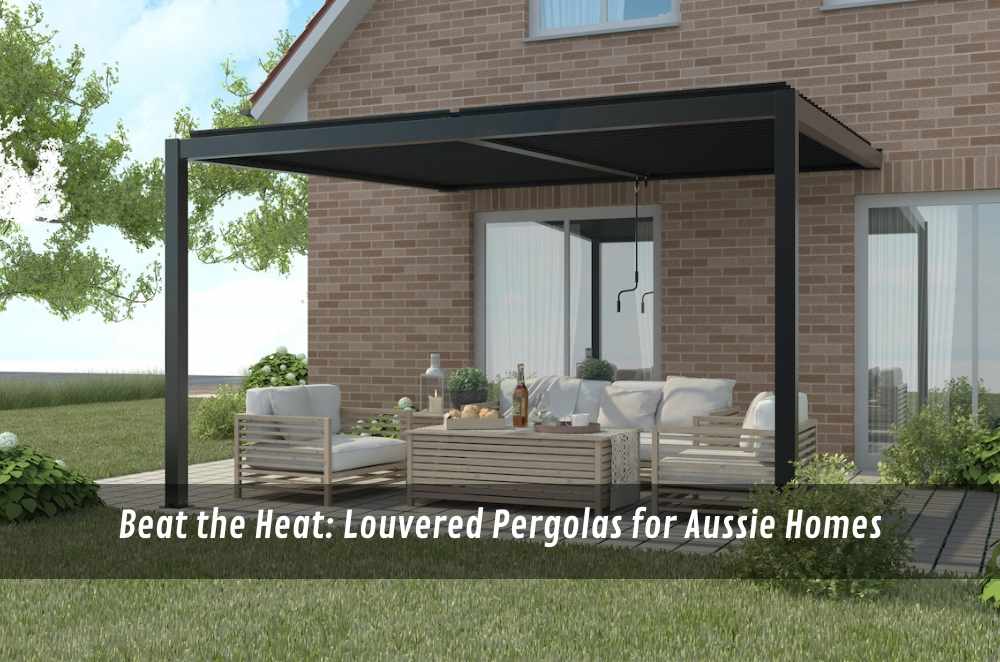
Fixed solid roof (including insulated roofing)
Best for: reliable rain cover and consistent shade.
A fixed roof makes the space usable more often. Insulated roofing can reduce heat build-up and help the area feel less like an oven in summer.
The key is water management. Once you go solid, you’re committing to fall, gutters, downpipes, and overflow planning.
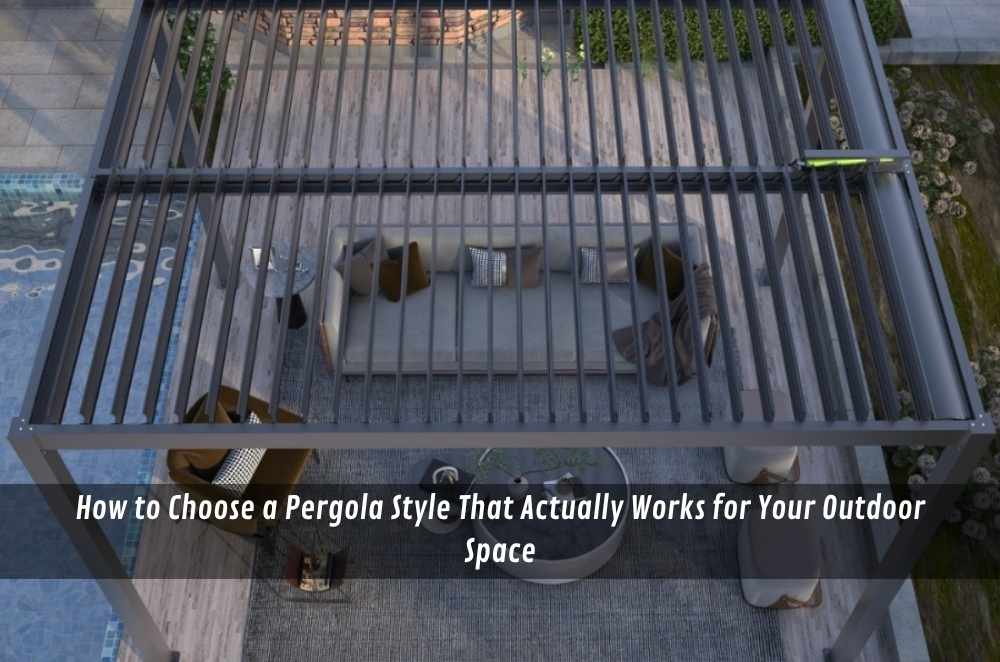
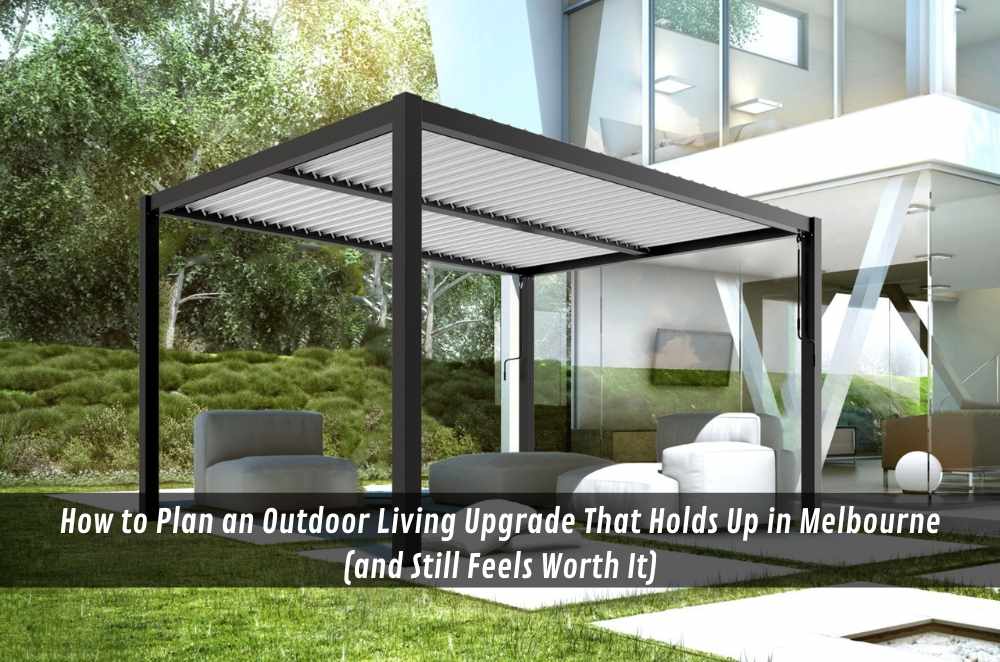
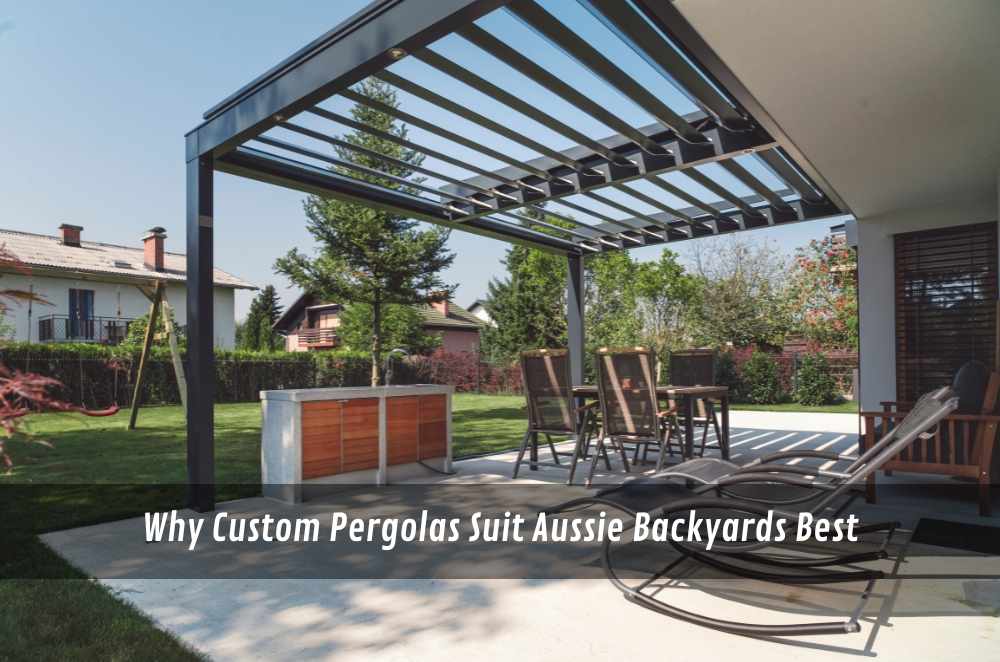
Louvre roof pergola
Best for: adjustable sun control and ventilation.
A louvre roof can let hot air escape on warm days and close for rain (depending on the system and how it’s set up).
It’s not magic, though. Wind exposure, drainage paths, and leaf build-up all matter. The best louvre setups feel effortless because the details were handled early.
Light-transmitting roofing
Best for: keeping spaces bright while adding cover.
This can suit narrow side areas or spots where you don’t want to darken indoor rooms.
But glare and heat can be an issue, especially on a western aspect. Product choice and shading angles matter more than people expect.
Materials: Choosing your maintenance level
Materials affect how the pergola looks, how it holds up, and how much upkeep you’ll tolerate.
Timber
Timber can look warm and suit older homes or leafy gardens.
But timber generally needs ongoing sealing, staining, or painting. It can move over time and is more sensitive to moisture.
If you love timber, plan for maintenance as part of the deal.
Aluminium
Aluminium is often chosen for its stability and low maintenance, especially with modern roof systems.
It can also suit commercial sites where you want something that stays neat with minimal fuss.
Finishing and detailing make the difference between “clean” and “cold”, so it’s worth matching colours and lines to the building.
Steel
Steel can allow slimmer profiles and bigger spans.
Protection against corrosion and a quality finish are critical, particularly in exposed areas.
Orientation and wind: The comfort multipliers
Melbourne orientation changes how a pergola performs.
North-facing spaces can be great in winter but need summer shade control.
West-facing spaces often cop the late-day heat and glare.
South-facing areas can feel cooler and darker, so light and lighting design matter.
And then there’s wind.
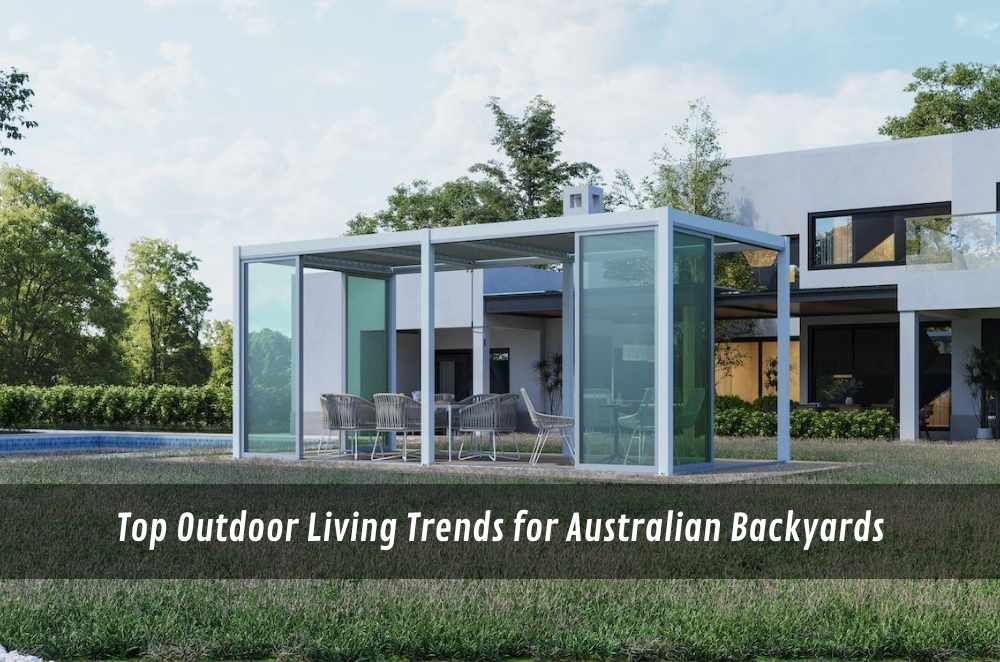
A pergola can be perfectly built and still unpleasant if wind funnels through it. Partial screens, careful side placement, or planting can calm the space without boxing it in.
A quiet truth: comfort is usually the reason people love their pergola, not the roof profile.
Drainage and run-off: The detail that decides whether it works
This is where many outdoor builds fall over.
A roofed pergola needs:
Enough falls to move water
Gutters sized for heavy downpours
Downpipes are placed where water won’t pool
A safe overflow path for extreme rain
Edges that don’t drip onto the main walkway
If the pergola is near an entry, dripping edges can become a slip risk. In commercial spaces, that’s not just annoying—it can be a genuine safety issue.
Drainage isn’t exciting.
But it’s what stops regret.
Operator experience moment
What people often underestimate is how “covered” doesn’t always mean “comfortable”. I’ve seen spaces that are technically weatherproof but still feel harsh because wind-driven rain sneaks in from the sides, or the roof traps heat on a still day. When roof choice, orientation, and drainage work together, the space feels easy to use. When they don’t, you spend more time managing the space than enjoying it.
Step 1: Decide what weather you’re solving for
If you want reliable year-round use, you’ll usually need a solid or well-designed adjustable roof.
If you just want filtered shade and a defined zone, an open pergola might be enough.
Be honest here.
“Mostly for shade” and “usable in winter rain” are completely different briefs.
Step 2: Lock in the layout before you lock in the look
Posts in the wrong spot will bug you every day.
Mark out walking lines, door swings, and where furniture needs to go. In commercial areas, think about queues, prams, deliveries, and clear pathways.
Then consider sightlines from inside the building. A roof can change how much light enters living areas or workspaces.
Good layout feels invisible.
Bad layout becomes the first thing you notice.
Practical opinions (the priorities that tend to pay off)
Prioritise drainage design over decorative extras.
Prioritise shade + airflow over maximum coverage.
Prioritise keeping posts out of walkways.
Australian SMB mini-walkthrough: A clinic entry in Melbourne’s east
You manage a small allied health clinic and want a covered entry.
Patients arrive in the rain, sometimes with mobility aids.
First, map the drip line so water won’t land on the path to the door.
Next, choose a roof style that blocks rain but doesn’t darken reception.
Then add lighting so late appointments feel safe and clear.
Finally, keep posts away from the natural walking line and allow room for prams and wheelchairs.
Small details here make the space feel professional without trying too hard.
When packaged configurations can simplify decisions
Many people get stuck because there are too many combinations—roof type, finishes, lighting, drainage, and add-ons.
Packaged options can help by grouping features that work well together, so you don’t miss essentials like water management or the right roof pairing for your orientation.
If you want a clearer way to compare setups, it can help to scan the Unique Pergolas bundle options and note what’s included for different use cases.
The point isn’t to add more.
It’s to avoid leaving out the boring-but-important parts.
Common pitfalls to avoid
Oversizing without ventilation
A big, solid roof can trap heat. If summer comfort matters, plan airflow and shade angles.
Forgetting edges and splash zones
Water behaviour at the roof edge matters. Drips, splashback, and overflow should be planned, not discovered.
Treating lighting as an afterthought
If you want evening use, plan lighting early so it looks clean and works properly.
Ignoring wind-driven rain
If rain blows in from one side, consider partial screening or side detailing so the space stays usable.
Key Takeaways
Roof choice drives comfort: open, solid, louvre, and light-transmitting roofs each suit different goals.
In Melbourne, orientation and wind matter as much as style.
Drainage design is the difference between “covered” and “actually usable”.
Choose materials based on the maintenance you’ll genuinely do.
Layout decisions (post placement, walkways, edges) affect daily use more than people expect.
Common questions we hear from Australian businesses
How do we choose between a louvre roof and a fixed roof for year-round use?
Usually, it comes down to whether you want flexibility or simplicity. Louvre roofs can give you airflow and adjustable light, but they need good drainage detailing and a bit more attention to leaves and wind exposure. Fixed roofs are straightforward and reliable, especially for consistent rain cover. A practical next step is to stand in the space at your worst weather angle (often wind + rain) and identify where protection matters most.
What’s the most common design mistake for commercial outdoor areas?
In most cases, it’s putting water where people walk. Drip lines near entries, poor guttering, or downpipes dumping into traffic areas quickly become a daily issue. The next step is simple: mark the main walking lines and ensure roof edges, gutter outlets, and overflow paths don’t land on them.
How do we keep the space bright without making it too hot?
It depends on orientation and roof choice. Light-transmitting roofing can help with brightness, but western sun can create glare and heat if shading and ventilation aren’t planned. A practical next step is to identify the harshest time of day (often 2–6 pm) and choose a roof and side treatment that targets that exact window.
Do homes and businesses need different pergola planning?
Usually, yes—because the risks and usage patterns differ. Homes focus on comfort and lifestyle, while businesses also need to consider safety, flow, durability, and lighting for customers and staff. A good next step is to list the top three “must work” moments (busy service, wet entry, evening use) and design around those first.



Write a comment ...